- Resources
- > Articles
Why Sarjapur–Attibele Road is South Bengaluru’s next growth corridor
The next chapter of South Bengaluru
Bengaluru has a familiar pattern of growth. As established neighbourhoods become denser and more expensive, development moves outward along corridors that connect homes to jobs, education, infrastructure and everyday conveniences.
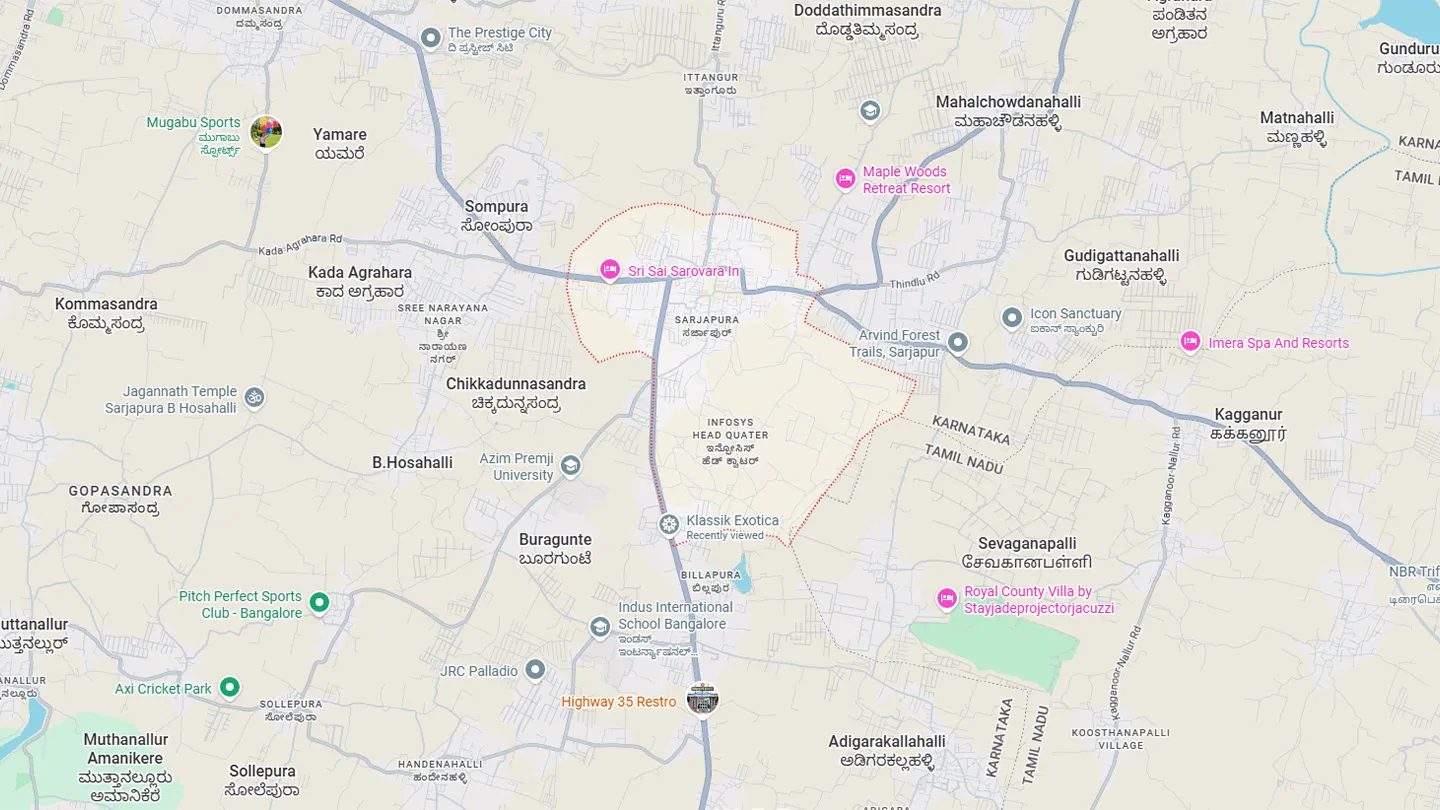
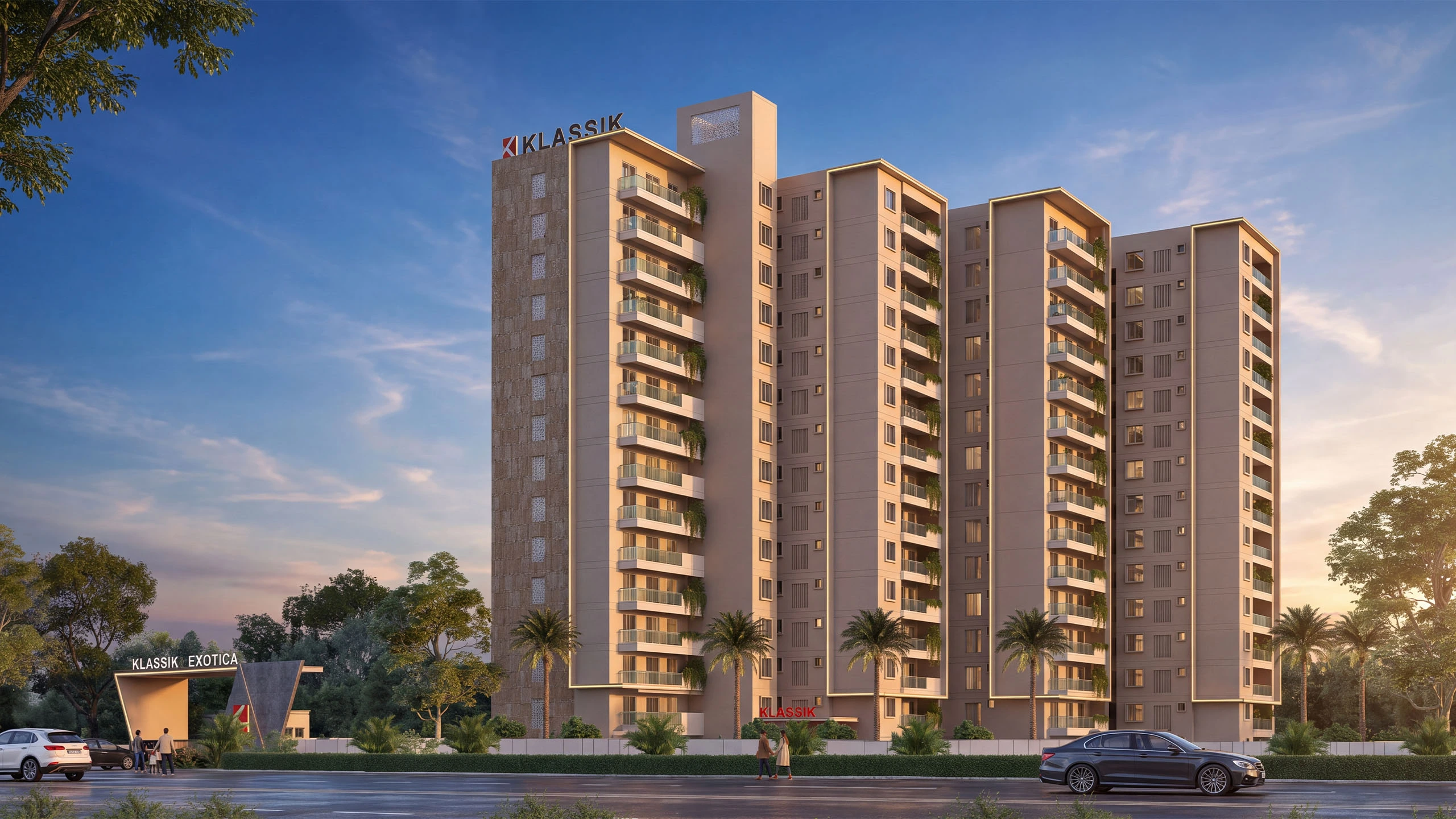
Sarjapur–Attibele Road is increasingly part of that story. It is also where residential communities such as Klassik Exotica are emerging as the corridor develops into a more established destination.
The corridor sits between two significant employment ecosystems: the technology clusters around Sarjapur and the Outer Ring Road on one side, and Electronic City, Bommasandra, Jigani and the Hosur industrial belt on the other. That gives it something important for a residential market: multiple sources of employment demand rather than dependence on a single destination.
It is still an evolving corridor, which is precisely what makes it interesting. Unlike mature parts of Bengaluru where most large-scale development has already happened, Sarjapur–Attibele still has room for new residential communities, social infrastructure and employment centres to take shape.
The infrastructure story
Infrastructure is often one of the clearest signals of how a city is preparing to grow.
The proposed Sarjapur–Hebbal Namma Metro corridor is planned as a 36.59-km line with 28 stations, connecting Sarjapur with northern Bengaluru. The project has received Karnataka Cabinet approval and remains subject to further central approvals and implementation stages.
Road infrastructure is evolving too. The Satellite Town Ring Road is designed to improve movement around Bengaluru and divert through-traffic away from the city. NHAI’s documentation describes the STRR as a 179.969-km, six-lane corridor extending through Karnataka and Tamil Nadu.
Another proposed catalyst is SWIFT City at Sarjapur, for which the Karnataka government has planned more than 1,000 acres as an integrated industrial and startup-oriented district.
None of these projects should be treated as an immediate commute solution. Their importance is longer term: together, they indicate how the southeast edge of Bengaluru is being integrated into the city’s larger economic network.
What's already here
Growth is more sustainable when infrastructure isn’t the only thing driving a location.
The Sarjapur–Attibele belt already benefits from access to established technology and employment hubs, while Electronic City and the industrial clusters around Bommasandra, Jigani and Hosur add another layer of employment demand.
Schools, hospitals, retail and residential communities are following that employment base, gradually making the corridor less dependent on established neighbourhoods for everyday needs.
That transition matters. A location becomes genuinely liveable when people can work, study, shop, access healthcare and spend their weekends without constantly travelling back into older parts of the city.
The opportunity
The attraction of an emerging corridor isn’t simply the promise of appreciation. It is the possibility of entering a location while its ecosystem is still being built.
For homebuyers, the most useful question is therefore not “What will this area become?” but “What is already working, and what credible infrastructure is being added?”
Sarjapur–Attibele scores well on both counts: a growing employment catchment, improving connectivity, established social infrastructure and significant planned infrastructure. These are also the factors that make Klassik Exotica relevant to buyers looking at the corridor as a place to live, rather than simply as an investment location.
Key takeaways
- Strong access to multiple employment hubs
- Infrastructure is expanding alongside residential development
- Social infrastructure is becoming more self-sufficient
- The corridor still has room to mature
- Evaluate committed infrastructure separately from proposals