- Resources
- > Articles
Villa or apartment? Why you may not have to choose
The villa dilemma
For many families, the appeal of a villa is straightforward. There is more separation from neighbours, greater privacy, generous outdoor space and the feeling of having a home that belongs entirely to you.
But villas come with trade-offs.
They usually require more land, often involve larger communities spread across greater distances and can mean longer internal travel to amenities. Maintenance can also become more involved when the home and its surrounding landscape are larger and more independent.
An apartment solves many of those problems. But traditionally, it has meant accepting a degree of proximity to other homes.
The interesting question is whether those two models really need to remain opposites.
The apartment advantage
A well-planned apartment community offers something a standalone villa often cannot: shared infrastructure designed around everyday convenience.
Security, parking, recreational facilities, maintenance and social spaces are brought together within a managed environment. A clubhouse can put fitness, games and community activities just a short walk from home. Children can have dedicated play spaces, while adults have places to meet without leaving the community.
The other advantage is community itself.
Apartments naturally bring people closer together. But proximity doesn’t have to mean a loss of privacy. The difference lies in how that proximity is designed.
The best of both
The idea of a “villa in the sky” works when an apartment is designed around the qualities people actually value in a villa.
The first is independence.
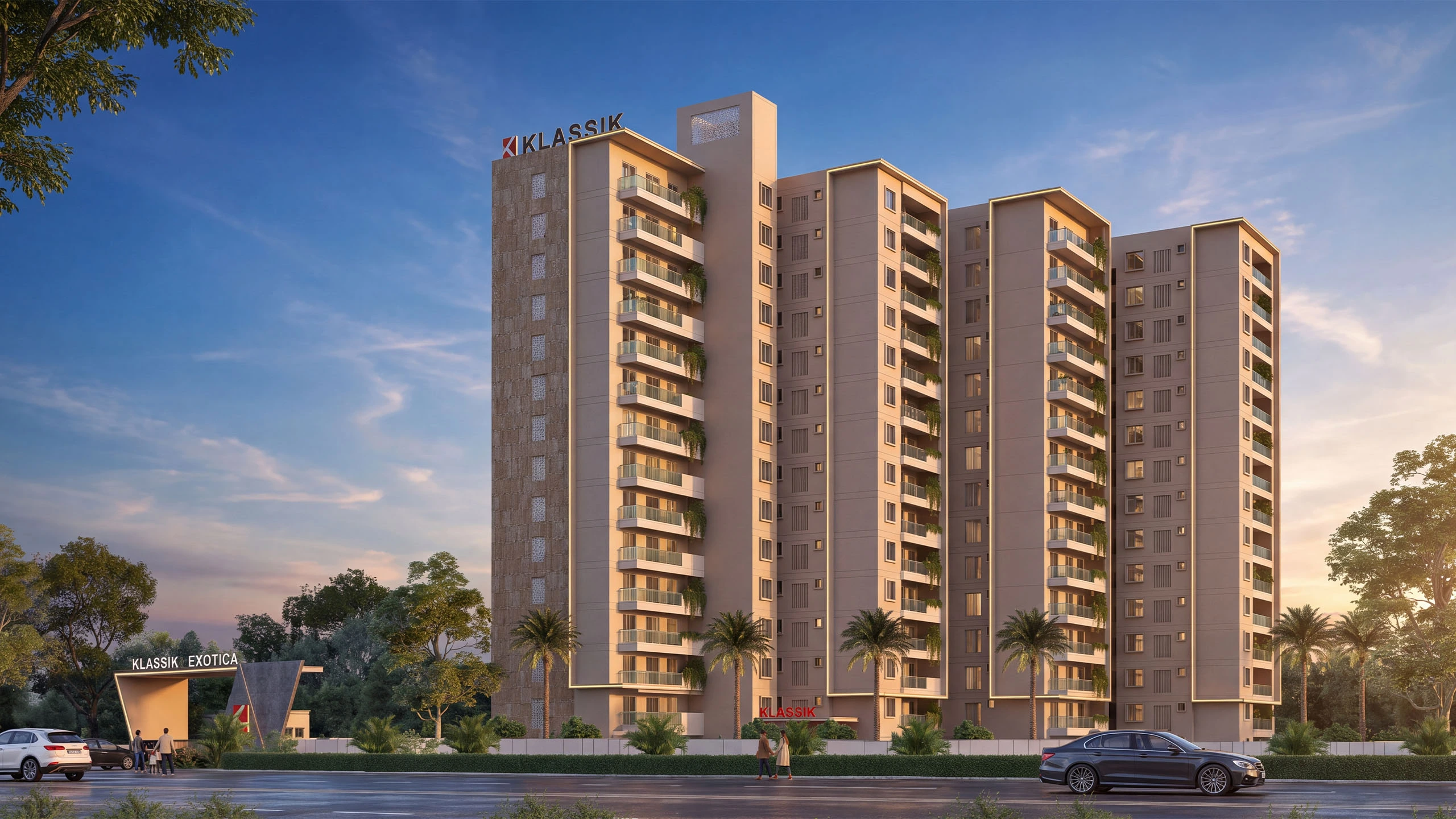
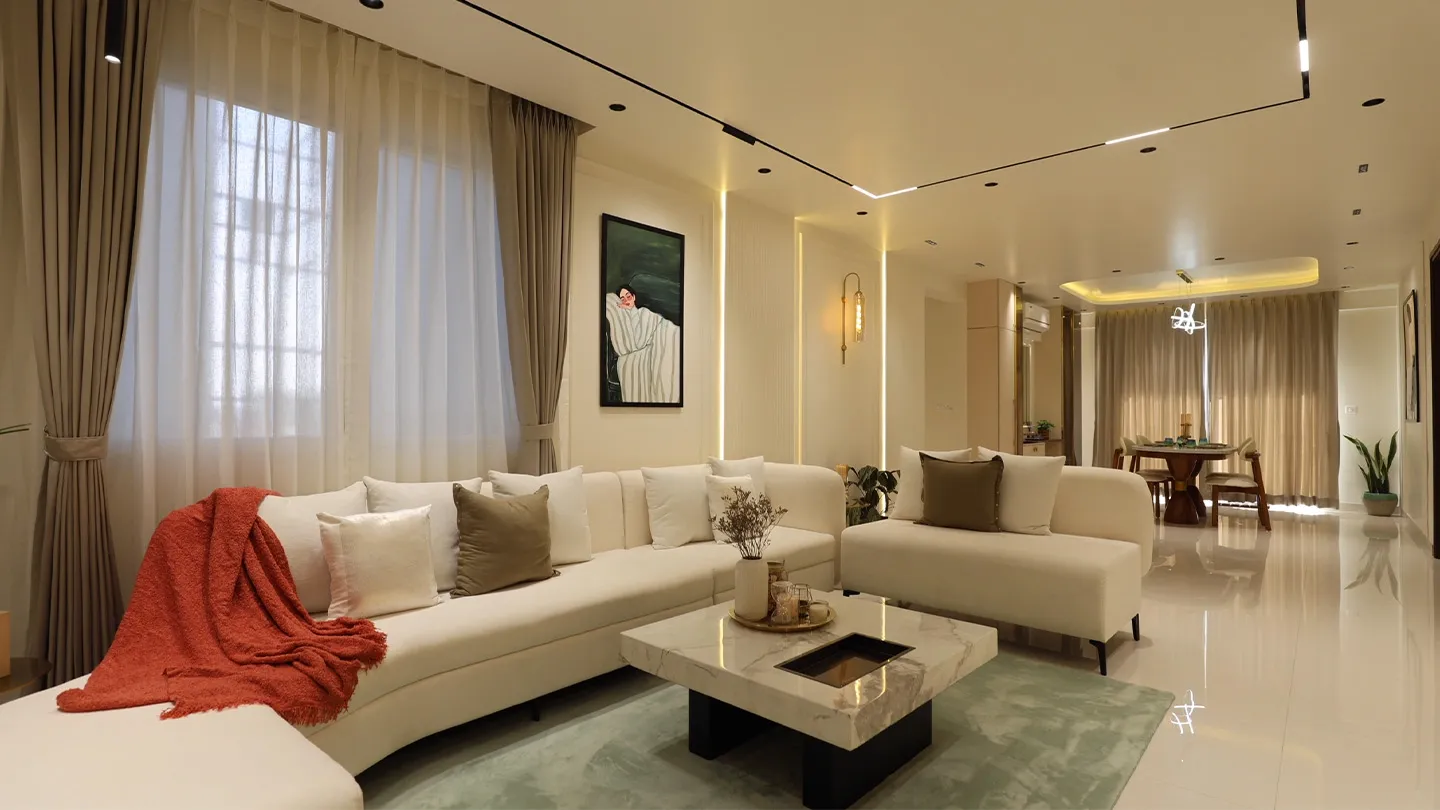
A home with no shared walls immediately changes the experience of living in a vertical building. So does having open aspects, generous balconies and enough separation between neighbouring entrances.
Then there is density.
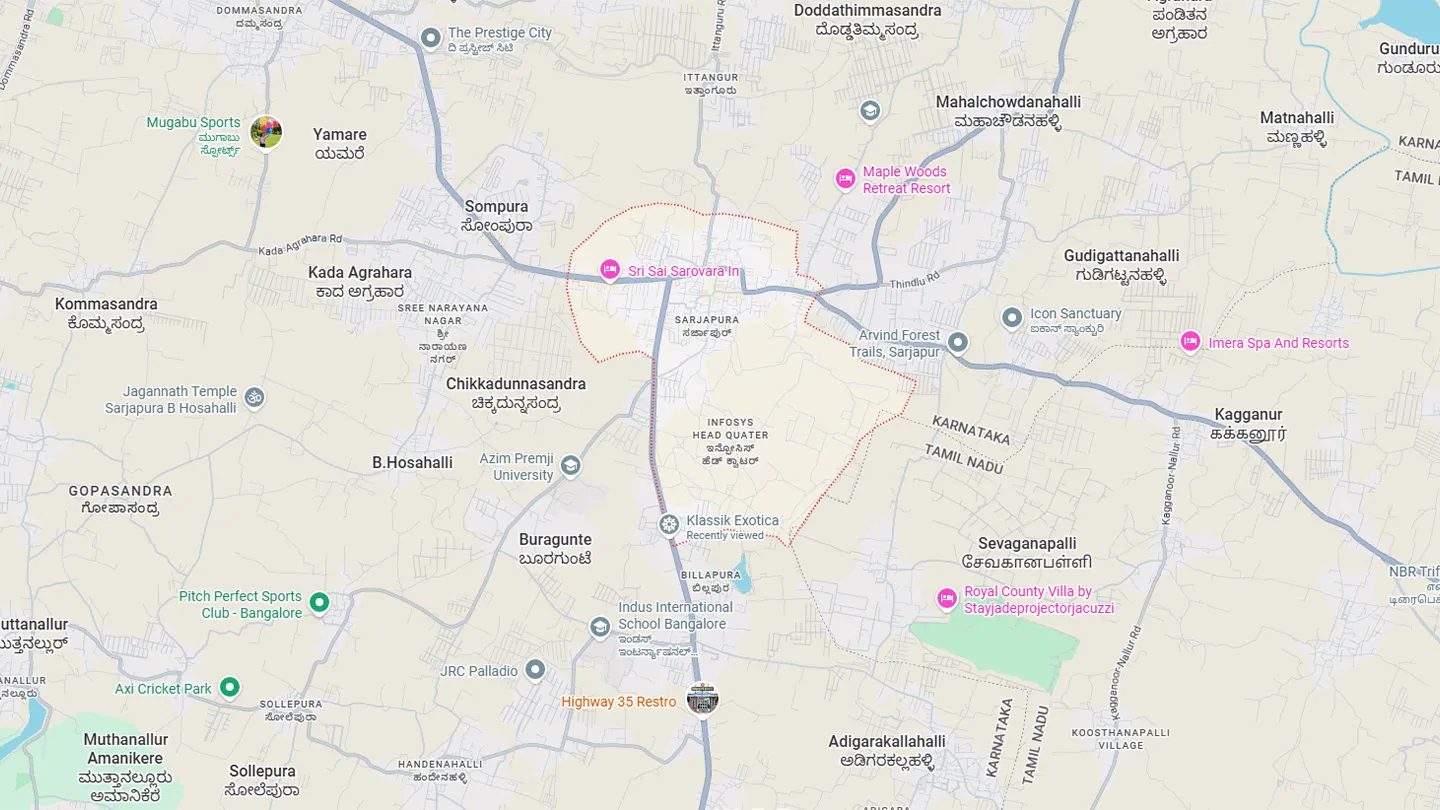
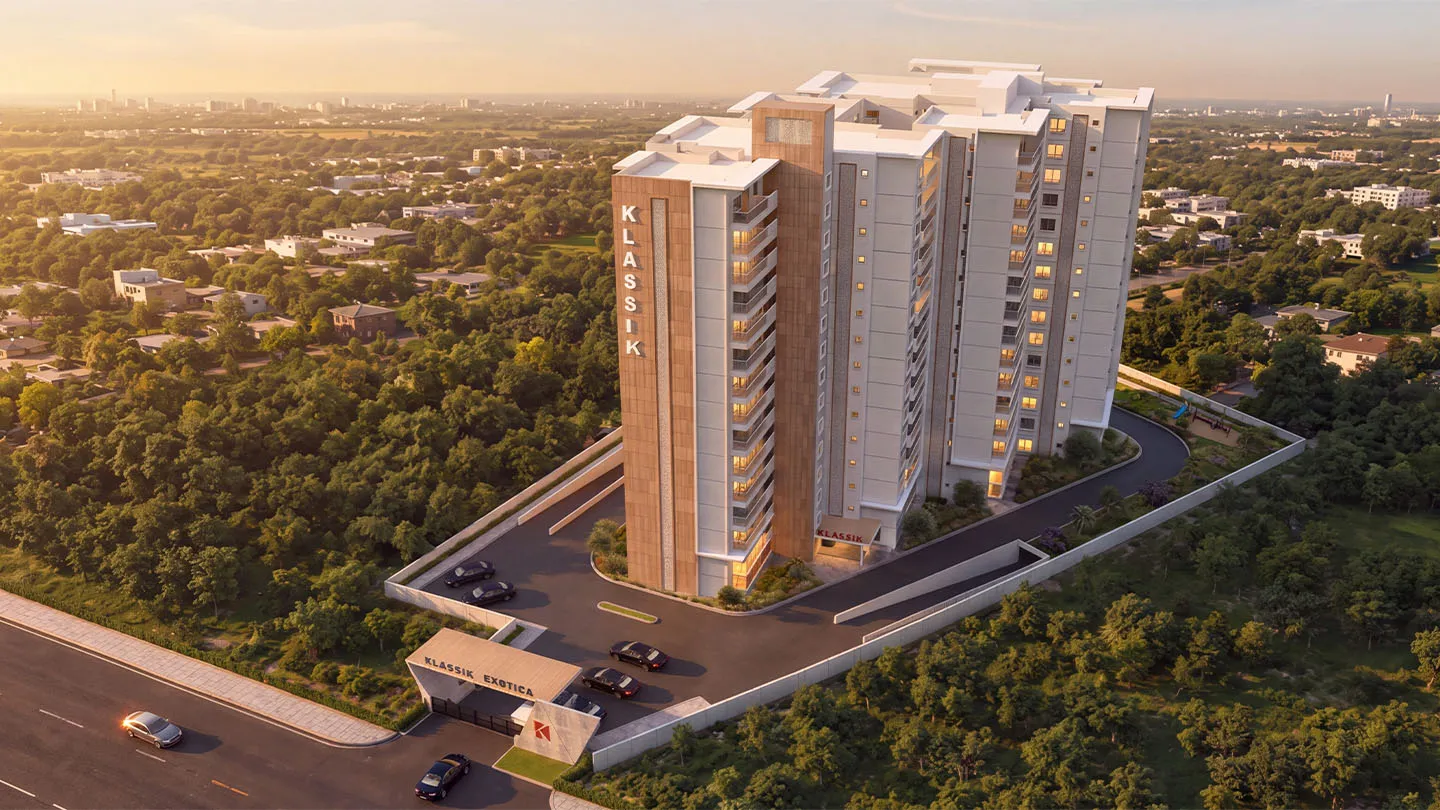
Four homes on a floor create a fundamentally different experience from a corridor with a large number of front doors. Fewer homes can mean quieter common areas, shorter shared circulation and a greater sense of arrival. These are among the planning principles that shape the residential experience at Klassik Exotica.
Planning can also create separation at the community level. Homes can be positioned away from vehicle movement, while recreation and landscaped areas occupy spaces designed for residents rather than cars.
This isn’t about pretending an apartment is literally a villa. It is about asking which qualities of villa living are worth preserving and finding smarter ways to incorporate them into a connected residential community.
What to look for
When comparing projects, look beyond the words “premium” and “luxury”.
Check how many homes share your floor. Look for common walls, the orientation of neighbouring windows and balconies, the amount of open space around each building and the relationship between homes and shared amenities.
Also look at the masterplan. A beautifully designed apartment means less if residents have to cross vehicle routes every time they want to reach the clubhouse or children’s play area.
For buyers considering Klassik Exotica or other apartment communities, these details can reveal whether a project genuinely combines the privacy of a more independent home with the convenience of a managed community.
Key takeaways
- Villa-like privacy can exist within vertical communities
- Low-density planning can make apartments feel more private
- Independent aspects improve light, air and views
- Masterplanning matters as much as the individual floor plan